Home Window Tinting Near Me: Expert Guide
By
Charlotte
Date
January 19, 2026
Read Time
4 min read
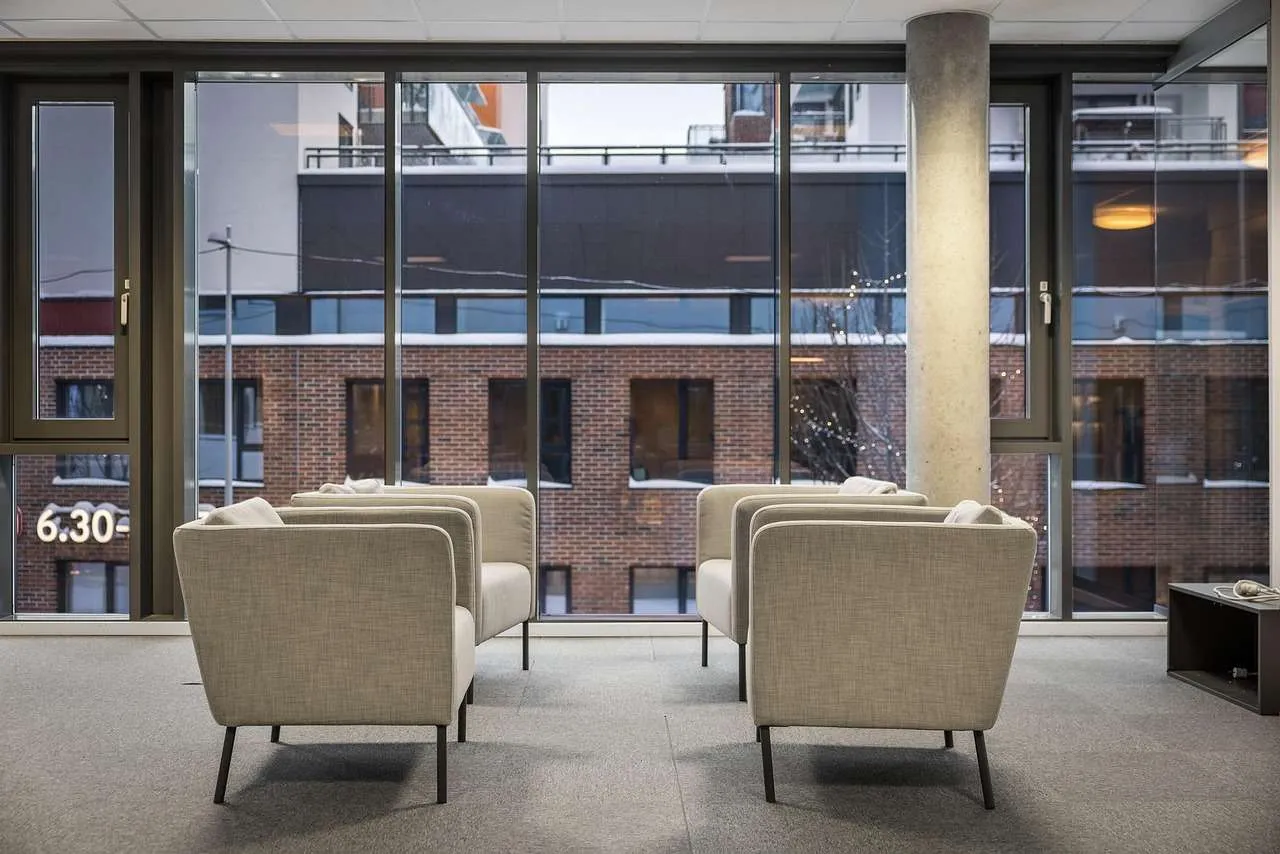
If you’re searching for home window tinting near me, you’re likely seeking privacy, comfort, and energy savings for your living spaces. Quality tinting can reduce heat gain in hot climates, protect furnishings from UV fading, and improve comfort without sacrificing natural light. This article explains what to look for, how to compare options, and how to choose a trusted installer in your area.
Why tint windows at home
Tinted windows can significantly improve energy efficiency by reducing heat transfer through glass. In warm seasons, a good film blocks infrared heat while letting in diffused daylight. In colder seasons, some films help retain interior warmth, depending on the product and climate.
Energy savings
Energy savings come from lower cooling loads, which can translate to smaller AC runtages and lower utility bills over time. The best performing films achieve a high heat rejection while maintaining acceptable visible light.
UV protection
Most window films block up to 99% of ultraviolet rays, protecting furniture, flooring and skin from sun damage. This also reduces color fading over several years.
Glare reduction
By reducing glare from sun and headlights, tinted windows improve comfort for rooms with televisions, computers, and workspaces, reducing eye strain.
Privacy and safety
Tinted windows offer daytime privacy and, in some cases, increased safety by holding shattered glass together in case of breakage.
What to look for in a home window tinting provider
Licensing and warranties
Choose a licensed installer with a solid warranty. Reputable outfits provide manufacturer warranties on film and a workmanship warranty on installation.
Manufacturer certifications
Look for installers certified by major film manufacturers or industry bodies such as the International Window Film Association. This demonstrates training and standards compliance.
Professional installation
Proper surface preparation, precise cutlines, and careful heat-shaping determine film longevity and appearance. Ask about the installation method and curing times.
Film types and how they compare
Window film comes in several families. Each type has different heat rejection, light transmission, and color characteristics. Here are common options and typical tradeoffs.
Dyed films
Low cost and good glare reduction, but they tend to fade and may have moderate heat rejection.
Metalized films
Strong heat rejection and durability but can interfere with electronics and may show visible patterns over time.
Ceramic films
High heat rejection, excellent clarity, and low reflectivity. They are more expensive but offer the best performance for many homes.
Carbon and spectrally selective films
Balanced performance with good color stability, moderate to high UV rejection, and neutral appearance.
Film comparison table
| Film Type | UV Rejection | Visible Light Transmission (VLT) | Heat Rejection | Longevity | Pros | Cons |
|---|---|---|---|---|---|---|
| Dyed | Up to 99% | 35–60% | Moderate | 5–10 years | Low cost, good glare control | Fades, lower heat control |
| Metalized | Up to 99% | 15–50% | High | 7–12 years | Excellent heat rejection, durability | Can interfere with signals |
| Ceramic | Up to 99% | 40–70% | Very High | 12–20+ years | Best clarity, no signal interference | Higher cost |
| Carbon / Spectrally selective | Up to 99% | 30–60% | High | 10–15 years | Neutral color, strong performance | Mid-range price |
Choosing based on climate, home type, and budget
Sun exposure, climate, and window orientation should guide your choice. South and west facing panes in hot climates benefit most from higher heat rejection. For multi-pane units, ensure compatibility with existing seals and coatings. Budget also matters; ceramic and carbon options offer the best long term value despite higher upfront costs.
Installation process and aftercare
A typical installation involves a site visit, precise measurements, surface cleaning, film cutting, application with squeegees, and curing time. Aftercare means avoiding heavy cleaning for a few days, using nonabrasive cleaners, and inspecting edges for air pockets. A good installer will provide a care guide and warranty details.
Conclusion
Summary: Home window tinting near me solutions improve comfort, protect interiors, and reduce energy costs. By selecting a licensed installer, choosing the right film type for your climate, and considering warranties and maintenance, you can achieve durable, attractive results that increase home value and living quality.
Related Articles
Home Window Tinting: Comfort, Privacy & Savings
Read More >